
Bet On Your Reps

Lehi, UT--:--

Dec 30, 2025

Share

Category /

ROI & Strategy

7 min read

James Biesinger

Co-Founder & CTO

James Biesinger

Co-Founder & CTO

James Biesinger

Co-Founder & CTO

The Complete Guide to Sales Gamification: How to Motivate Reps Without Gimmicks

Learn how to use gamification to drive real behavior change on your sales teambacked by data, powered by AI coaching, and designed to last beyond the initial excitement.

scroll

Table of contents

Why Most Sales Gamification Fails (And How to Fix It)

Sales gamification has a reputation problem. For every team that uses it effectively, there are ten that tried a leaderboard, watched the novelty wear off in two weeks, and wrote it off as a gimmick. But the data is clear: when done right, gamification drives real, sustainable behavior change. The problem isn't the concept—it's the execution.

This guide covers how to design gamification systems that actually work, how AI coaching data makes them dramatically more effective, and how to avoid the common mistakes that turn gamification into background noise your team ignores.

What Gamification Is (And What It Isn't)

Let's start by clearing up the biggest misconception: gamification is not about making work "fun" with silly prizes and cartoon badges. Real gamification applies behavioral psychology principles—goal setting, progress tracking, social proof, variable rewards, and status recognition—to drive specific business outcomes.

In a sales context, effective gamification:

  • Makes progress visible and measurable in real time

  • Creates healthy competition that elevates the whole team

  • Rewards behaviors (not just outcomes) that lead to success

  • Provides the dopamine feedback loops that sustain motivation during tough stretches

  • Connects individual effort to tangible rewards and recognition

The key phrase is "rewards behaviors, not just outcomes." This is where most gamification programs fail—and where AI coaching transforms the equation.

The Problem with Outcome-Only Gamification

Traditional sales gamification looks like this: a leaderboard ranked by revenue or deals closed. The top three reps get a prize at the end of the month. Sound familiar?

Here's why it doesn't work long-term:

It only motivates the people who are already winning. If the same three reps dominate the leaderboard every month, the other 80% of your team stops caring. They can't see a path to winning, so the gamification becomes demotivating rather than inspiring.

It rewards results without teaching the behaviors that produce results. Telling reps to "sell more" doesn't help them understand how to sell more. Without coaching on the specific skills and techniques that drive closes, gamification is just scorekeeping with prizes.

It creates perverse incentives. When the only metric that matters is revenue, reps cut corners—discounting too aggressively, overselling customers, or neglecting post-sale follow-up. The short-term number goes up while the long-term business suffers. Understanding what to measure beyond close rates is essential for avoiding this trap.

Behavior-Based Gamification: The AI Advantage

This is where AI coaching and gamification become a powerful combination. AI coaching platforms analyze every sales conversation and generate granular data on specific behaviors—objection handling, discovery question quality, price presentation technique, follow-up commitment, and dozens of other micro-skills.

When you gamify these behaviors instead of just outcomes, everything changes:

Everyone can compete. A new rep who's improving their objection handling by 20% week-over-week can earn recognition even if they're not the top closer yet. This keeps the entire team engaged, not just the veterans. This is especially important for reducing turnover among newer reps.

It reinforces coaching. When reps know they'll be recognized for applying the techniques they learned in coaching sessions, they're far more likely to actually use them. Gamification becomes the enforcement mechanism for your coaching culture.

It creates a growth mindset. Outcome-based gamification creates a fixed mindset ("I'm either good enough to win or I'm not"). Behavior-based gamification creates a growth mindset ("If I improve this skill, I'll move up the board"). Research consistently shows that growth-oriented environments produce better long-term results.

Designing Your Gamification System

Here's a proven framework for building gamification that lasts:

Layer 1: Daily Micro-Goals

Give reps small, achievable goals they can hit every day. These should be behavior-focused:

  • Complete 5 discovery-stage conversations where you ask at least 3 qualifying questions

  • Handle 3 price objections using the value-stack framework

  • Record and review coaching feedback on 100% of appointments today

These daily goals keep motivation high because the feedback loop is immediate. AI coaching platforms make this possible by automatically tracking these behaviors and providing real-time progress updates.

Layer 2: Weekly Challenges

Create themed weekly competitions that focus on specific skills:

  • "Objection Crusher" week: Highest objection recovery rate wins

  • "Discovery Master" week: Best average discovery question count per conversation

  • "One-Call Close" week: Highest first-appointment close rate

Rotate the focus weekly so different skill sets get spotlighted. This prevents the same reps from dominating and keeps things fresh.

Layer 3: Monthly Recognition

Monthly awards should recognize both outcomes and improvement:

Award

What It Measures

Why It Matters

Top Performer

Highest overall revenue

Recognizes results

Most Improved

Biggest improvement in AI coaching scores

Rewards growth trajectory

Coaching Champion

Most coaching feedback applied and improved

Reinforces the coaching culture

Peer Coach

Nominated by teammates for helping others

Encourages knowledge sharing

Consistency King

Most consistent daily goal completion

Rewards discipline and effort

Layer 4: Quarterly Stretch Goals

Set bigger targets that require sustained effort. These work best when they combine individual and team components:

  • Individual: Improve your overall AI coaching score by 15+ points

  • Team: Achieve a team-wide close rate above 30%

  • Individual: Reduce your average ramp time for new deals by 20%

The Technology Stack for Effective Gamification

Gamification without data is just guessing. Here's what you need:

AI coaching platform (the foundation): This is where all the behavioral data comes from. Without AI analyzing every conversation, you can't gamify behaviors—only outcomes. Understanding how AI coaching fits into your tech stack is the first step.

Real-time dashboards: Reps need to see their progress instantly. If they have to wait until end-of-day or end-of-week to check the leaderboard, the motivational impact drops dramatically. Mobile accessibility is critical, especially for D2D teams and field sales teams.

Communication channels: Use Slack, Teams, or whatever your team already uses to push gamification updates. Automated celebrations when reps hit milestones, daily standings updates, and weekly challenge announcements keep the energy alive without manual effort from managers.

Common Gamification Mistakes

Mistake 1: Rewarding only the top 3. If 27 out of 30 reps can never win, you've created a system that motivates 10% and discourages 90%. Build in multiple tiers, improvement-based awards, and team goals so everyone has a realistic path to recognition.

Mistake 2: Making rewards too small or too big. A $5 gift card feels insulting. A $5,000 bonus for monthly performance creates unhealthy pressure and potential sandbagging. Find the sweet spot: meaningful enough to care about, sustainable enough to offer consistently. Experiences (team dinners, early Fridays, choice of territory) often outperform cash.

Mistake 3: Not changing it up. The fastest way to kill gamification is to run the same competition every month. Rotate themes, vary reward structures, and periodically introduce new metrics. Novelty sustains engagement.

Mistake 4: Disconnecting gamification from coaching. Gamification should reinforce your coaching program, not run parallel to it. When a rep wins the "Objection Crusher" award, the coaching conversation should explore what they did differently and how to teach it to the rest of the team. This is how you scale coaching for high-volume teams.

Mistake 5: Ignoring the onboarding experience. New reps should be gamified from day one. Create a separate "Rookie of the Month" track with progression milestones tied to onboarding benchmarks. This gives new hires immediate wins and a sense of progress during the hardest phase of their tenure.

Industry Applications

Gamification plays differently across industries:

Door-to-door teams: Gamify door-to-conversation rate, pitch completion, and daily activity volume. D2D reps are naturally competitive—lean into it with real-time field leaderboards.

Solar sales: Gamify sit-down rate (getting inside the home), proposal-to-close conversion, and financing objection handling. Solar deals are high-value, so even small improvements have massive revenue impact.

B2B SaaS: Gamify discovery call quality, demo-to-proposal conversion, and multi-threading (engaging multiple stakeholders). SaaS sales cycles are longer, so behavior-based gamification keeps reps engaged between closed deals.

Call centers: Gamify call quality scores, first-call resolution, and upsell rate. High-volume environments benefit enormously from gamification because there are enough data points for daily competitions.

Measuring Gamification ROI

How do you know if your gamification program is actually working? Track these metrics:

  • Behavior change rate: Are reps actually doing more of the gamified behaviors? AI coaching data will show this clearly.

  • Engagement rate: What percentage of your team actively participates in gamification challenges? Below 60% signals a design problem.

  • Performance improvement: Are the gamified behaviors correlating with improved outcomes? If objection handling scores go up but close rates don't, your gamification is targeting the wrong behaviors.

  • Retention impact: Are gamified teams retaining reps better than non-gamified teams? The engagement and development that gamification provides should reduce voluntary turnover.

  • Cost-per-improvement: How much are you spending on gamification rewards per percentage point of improvement? Compare this to the revenue generated by that improvement to calculate ROI.

For a broader perspective on measuring coaching and development impact, see what AI sales coaching actually costs and how to calculate the return.

Getting Started

You don't need a massive budget or a complex platform to start gamifying your sales team. Start with one behavior-based weekly challenge powered by your AI coaching data. Measure the engagement and impact. Iterate. Then layer on complexity as you learn what resonates with your specific team.

The most successful gamification programs we've seen are the ones that grow organically from a strong coaching culture. Gamification amplifies coaching—it doesn't replace it.

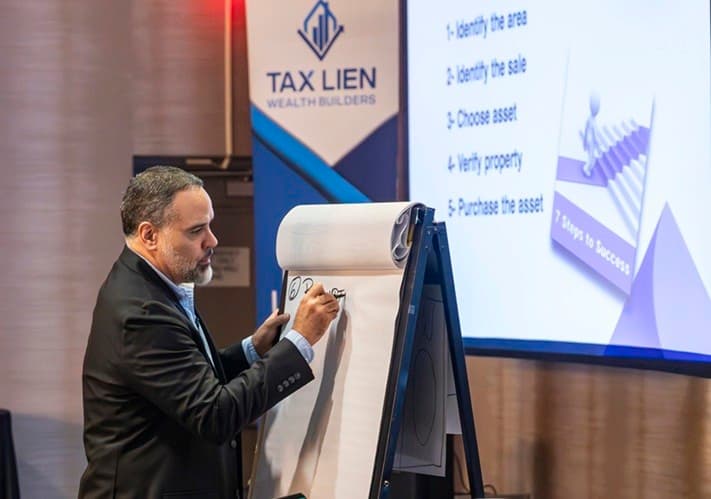
Check out the TLWB case study to see how one team combined AI coaching with gamification to transform their performance, or book a call to discuss how Parlay's coaching data can power your gamification strategy. You can also explore our pricing to find the right plan for your team.

[01]

AI Knowledge base

_

[01]

AI Knowledge base

_

[01]

AI Knowledge base

_

More Articles

More Articles

More Articles

[08]

lets get started

_

Ready to see what your reps are missing?

Live demo of AI coaching in action

Custom performance audit for your team

ROI projections for your business

I personally review every performance audit to ensure we can deliver real value.

James Biesinger - CEO and Co-Founder of Parlay

James Biesinger

Co-Founder & CEO

Book a 15-minute demo with our team. We'll show you exactly how Parlay coaches your reps—automatically.

Team size

Pick your time slot — we'll confirm your demo instantly.

Tommy Jones with Vivint Smart Home
Deven with Dentive
Jessica Draper with JZ Styles
Shem with Seven Brothers
Jim Terry with Godfrey Trucking

Trusted by 100+ sales teams

[08]

lets get started

_

Ready to see what your reps are missing?

Live demo of AI coaching in action

Custom performance audit for your team

ROI projections for your business

I personally review every performance audit to ensure we can deliver real value.

James Biesinger - CEO and Co-Founder of Parlay

James Biesinger

Co-Founder & CEO

Book a 15-minute demo with our team. We'll show you exactly how Parlay coaches your reps—automatically.

Team size

Pick your time slot — we'll confirm your demo instantly.

Tommy Jones with Vivint Smart Home
Deven with Dentive
Jessica Draper with JZ Styles
Shem with Seven Brothers
Jim Terry with Godfrey Trucking

Trusted by 100+ sales teams

[08]

lets get started

_

Ready to see what your reps are missing?

Live demo of AI coaching in action

Custom performance audit for your team

ROI projections for your business

I personally review every performance audit to ensure we can deliver real value.

James Biesinger - CEO and Co-Founder of Parlay

James Biesinger

Co-Founder & CEO

Book a 15-minute demo with our team. We'll show you exactly how Parlay coaches your reps—automatically.

Team size

Pick your time slot — we'll confirm your demo instantly.

Tommy Jones with Vivint Smart Home
Deven with Dentive
Jessica Draper with JZ Styles
Shem with Seven Brothers
Jim Terry with Godfrey Trucking

Trusted by 100+ sales teams