AI Sales Coaching for Door-to-Door Teams: The Ultimate Guide
Discover how AI coaching is transforming D2D sales teams with real-time feedback, faster onboarding, and data-driven coaching that works in the field.
Brooke Roney
Co-Founder & CEO
Scroll
Door-to-Door Sales Has a Coaching Problem—AI Solves It
Door-to-door sales is one of the hardest sales models to coach. Your reps are scattered across neighborhoods, knocking 60–100+ doors per day, and having conversations that no manager ever hears. The traditional approach—ride-alongs, morning rallies, and end-of-day debriefs—worked when teams were small. But as your operation scales, that model breaks completely. That's why the fastest-growing D2D companies are turning to AI sales coaching.
This isn't about replacing the human element of coaching. It's about giving managers superpowers—visibility into every door knock, data on what top performers do differently, and the ability to coach 50 reps with the same quality you'd give five. Here's how it works and why it matters.
Why Traditional D2D Coaching Falls Short
Let's be honest about the current state of D2D coaching:
Ride-alongs don't scale. A manager can ride with one rep per day, maybe two. If you have 20 reps in the field, each rep gets observed once every two weeks at best. And reps behave differently when the boss is watching—so what you see during a ride-along isn't what happens the other 99% of the time.
Self-reporting is unreliable. "How did your day go?" is not a coaching methodology. Reps overestimate their performance on good days and minimize problems on bad ones. Without objective data, coaching conversations devolve into he-said-she-said debates. This is one of the core reasons most coaching programs fail.
Morning rallies are motivational, not developmental. There's nothing wrong with firing up the team before they hit the streets. But a 15-minute pump-up session is not the same as targeted skill development based on what each rep actually needs to improve.
Turnover kills institutional knowledge. D2D sales has notoriously high turnover rates—often 50–70% annually. Every time an experienced rep leaves, their techniques and local market knowledge walk out the door with them. Without a system to capture and transfer that knowledge, you're constantly starting from scratch. Learn more about reducing turnover with AI coaching.
How AI Coaching Transforms the D2D Model
AI coaching platforms are designed to solve these exact problems. Here's what the workflow looks like for a D2D team:
Step 1: Reps record their door conversations. Using their phone (which they already carry), reps hit record before approaching a door. The AI captures the entire interaction—from the opening pitch to the close or the objection that ended the conversation.
Step 2: AI analyzes every interaction. Within minutes, the AI transcribes the conversation, scores it against your team's best practices, identifies objection-handling moments, evaluates pitch delivery, and flags coaching opportunities. This happens automatically for every single conversation, not just the ones a manager happens to overhear.
Step 3: Reps get instant feedback. Between doors, reps can review quick coaching notes on their phone. "Your opener was strong, but you rushed past the price objection—try the feel-felt-found approach." This real-time loop means reps improve throughout the day, not just after a weekly coaching session.
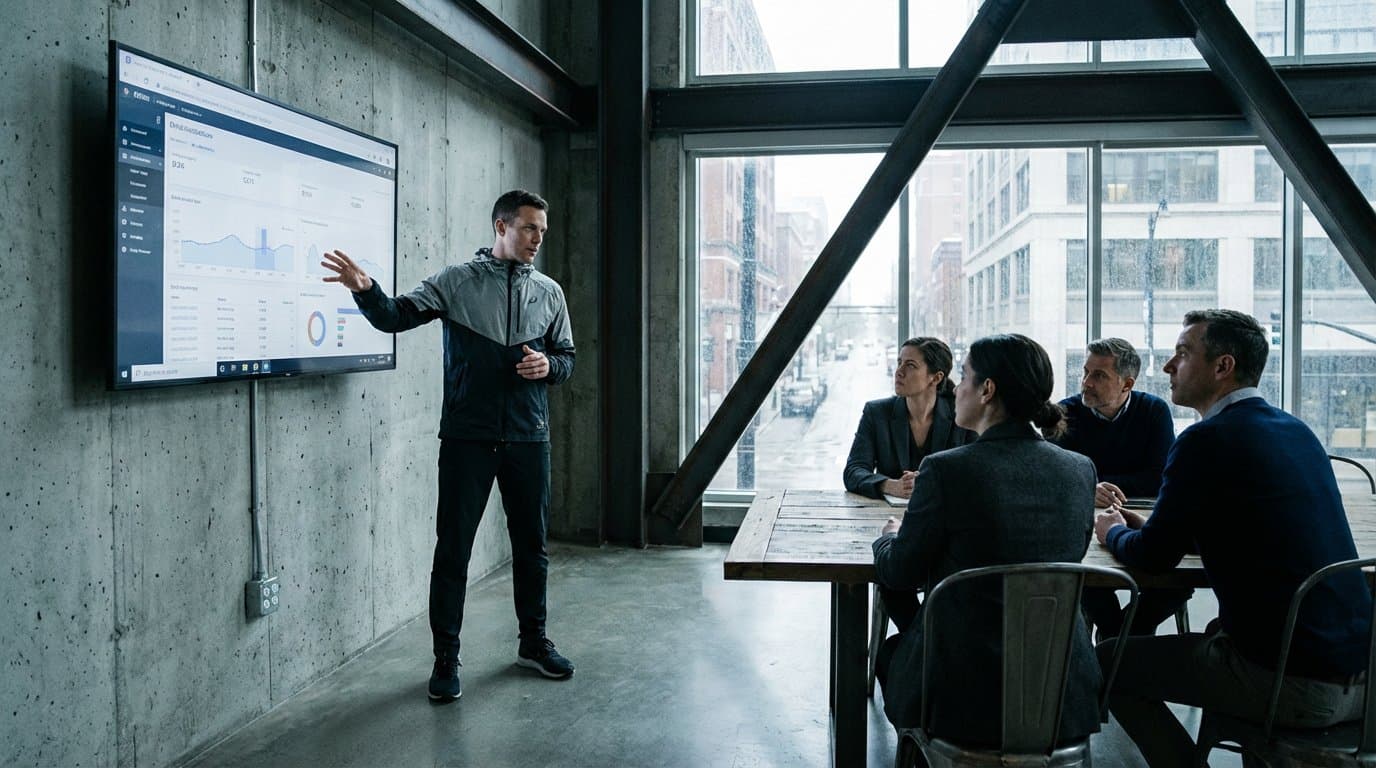
Step 4: Managers get a coaching dashboard. Instead of relying on anecdotes, managers see exactly how each rep performs across key metrics: opening success rate, objection handling effectiveness, pitch completion rate, and close rate by conversation type. This makes coaching with AI dramatically more effective than traditional methods.
The D2D Metrics That Matter Most
AI coaching gives D2D managers visibility into metrics that were previously invisible:
Metric
Why It Matters
Typical Improvement
Door-to-conversation rate
How often a knock turns into an actual conversation
+15–25%
Pitch completion rate
How often reps deliver the full pitch before getting shut down
+20–30%
Objection recovery rate
How often reps successfully navigate past objections
+25–40%
One-call close rate
Deals closed on the first visit
+10–20%
Average conversation duration
Longer conversations = more engagement = more closes
+30–45 sec
These aren't vanity metrics. Each one directly correlates to revenue. A team of 30 reps improving their door-to-conversation rate by 20% generates hundreds of additional selling conversations per week. At a typical D2D close rate, that's 15–25 extra deals—every single week. For more on measuring impact, see our guide on measuring coaching impact beyond close rates.
Onboarding D2D Reps at Speed
D2D companies face a unique onboarding challenge: new reps need to be productive fast because the selling season is short, but you can't afford to pair every new hire with a veteran for weeks. AI coaching compresses the learning curve dramatically.
Here's how the best D2D organizations use AI for onboarding:
Day 1–3: Foundation. New reps learn the pitch in a classroom or virtual setting, then practice with the AI coaching platform. The AI evaluates their pitch delivery, timing, tone, and completeness before they ever knock a real door.
Week 1: Guided field work. Reps hit the field with AI coaching active. Every conversation is captured and analyzed. Managers can review the first 20–30 conversations and provide targeted coaching based on actual field data rather than assumptions. Our full guide on onboarding reps in half the time covers this process in detail.
Weeks 2–4: Accelerated development. With AI identifying each rep's specific weak points, coaching becomes surgical. One rep might need help with their opener, while another struggles with financing objections. Instead of generic training, each rep gets a personalized development path.
The result? Teams using AI coaching report cutting new rep ramp time by 40–60%. In a seasonal business where every productive day matters, that acceleration is worth tens of thousands per rep.
Building a Coaching Culture in D2D
The biggest barrier to AI coaching adoption in D2D isn't technology—it's culture. D2D sales has a strong tradition of "figure it out yourself" mentality. Top performers guard their techniques, and newer reps often feel like asking for help is a sign of weakness.
AI coaching breaks this dynamic because it's objective and consistent. It coaches everyone—including your best performers—so there's no stigma attached to receiving feedback. For a deeper dive on this topic, read our guide on building a sales coaching culture.
Tips for rolling out AI coaching to a D2D team:
Frame it as a competitive advantage, not supervision. "This tool will help you close more deals and make more money" resonates with D2D reps far better than "We need to monitor your performance."
Let your top performers champion it. When the team's best closer says "this actually helped me find two things I was doing wrong," adoption follows naturally.
Gamify the coaching data. D2D teams thrive on competition. Use AI coaching metrics to create leaderboards for improvement rate, not just close rate. This rewards effort and growth, which is especially motivating for newer reps.
Keep it mobile-first. D2D reps live on their phones. If the coaching platform requires a laptop login, it won't get used. The best platforms deliver everything—recording, feedback, metrics—through a mobile app.
AI Coaching Across D2D Industries
While the principles apply broadly, different D2D verticals have specific coaching needs:
Solar sales: Coaching focused on roof assessment conversations, financing explanation, utility bill analysis, and handling the "I need to talk to my spouse" objection that kills 30%+ of deals.
Pest control: Coaching on seasonal urgency creation, recurring service package presentation, and differentiating from the "my neighbor's guy" competitor.
Roofing: Coaching on storm damage assessment conversations, insurance claim processes, and converting free inspections into signed contracts.
Security/alarms: Coaching on needs assessment, overcoming the "I already have a system" objection, and smart home integration upsells.
Fiber/telecom: Coaching on speed comparison demonstrations, bundle pricing presentation, and handling competitor loyalty objections.
Each of these industries has specific vocabulary, objections, and closing frameworks that generic coaching tools miss. That's why platforms with industry-specific AI models deliver significantly better results than one-size-fits-all solutions.
The Competitive Landscape
If you're evaluating AI coaching for your D2D team, it's important to understand the differences between platforms. Traditional conversation intelligence tools like Gong and Chorus were built for inside sales—Zoom calls and phone conversations. They don't natively support the D2D use case. For a detailed breakdown, read our comparison of Parlay vs. Gong vs. Chorus.
D2D sales isn't getting easier. Homeowners are more skeptical, competition is fiercer, and the reps who succeed are the ones who continuously improve their craft. AI coaching gives your team the infrastructure to do exactly that—at scale, in real time, and with the data to prove it works.
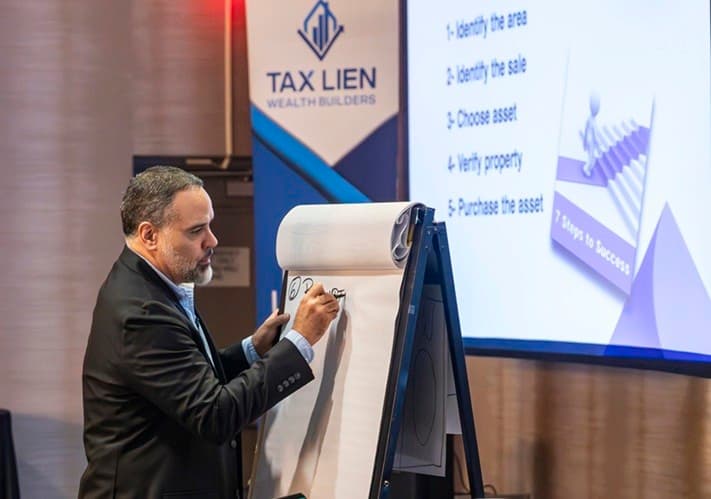
Check out the TLWB case study to see real results from a field sales team using Parlay, or book a demo to see how it works for D2D specifically. You can also explore our pricing to find the right fit for your team size.